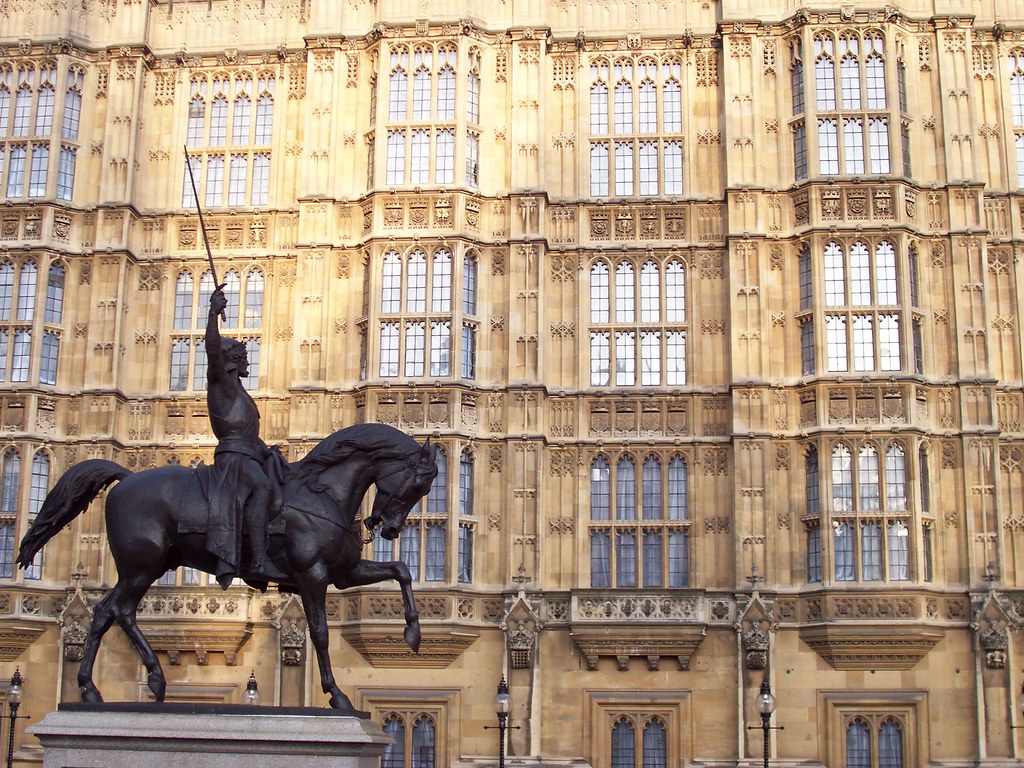
Statue of Richard the Lionheart in front of the British Parliament in London. Photo credit Alex-David Baldi
Two of Europe’s most powerful rulers - Richard I of England (perhaps better known as Richard the Lionheart) and King Philip I of France, had met on the banks of the river Seine on January 13th, 1199, and made a truce.
With a peace secured, Richard is now able to refocus on bringing internal order to the south of the Angevin Empire (i.e. western France). The north of the Empire being of course England.
But while besieging the unarmed castle of Châlus-Chabrol in Limousin in central France on March 26th, he and his troops perhaps underestimated the will to defense of the local French people. Richard has even removed some of his chain mail since the castle isn’t considered dangerous.
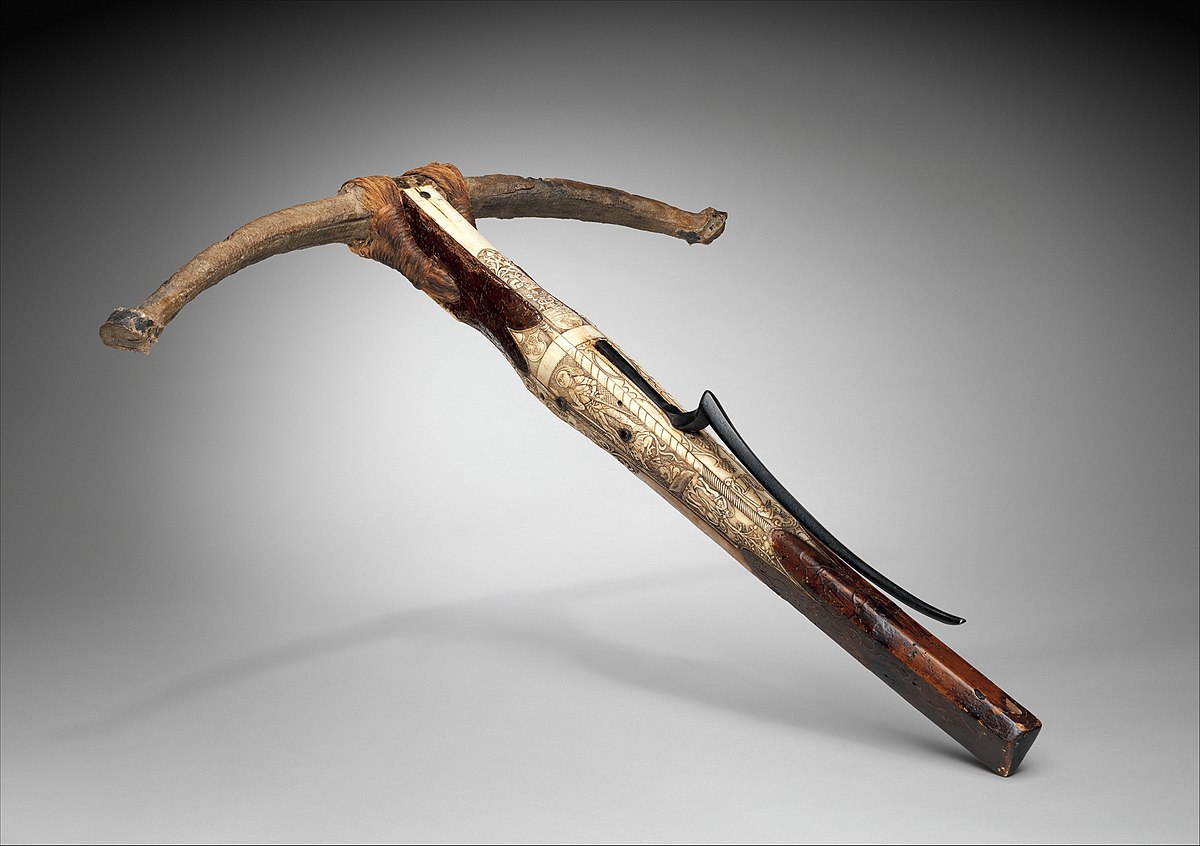
But it is. Richard the Lionheart is shot with a crossbow in the left shoulder by a French boy named Pierre Basile. As he still is wearing part of his chain mail, he isn’t mortally wounded by the bolt. But within days the wound results in gangrene, and Richard the Lionheart dies ten days later. So that day in March in the spring of 1199 proves fatal, and his ten-year, successful reign comes to an end.